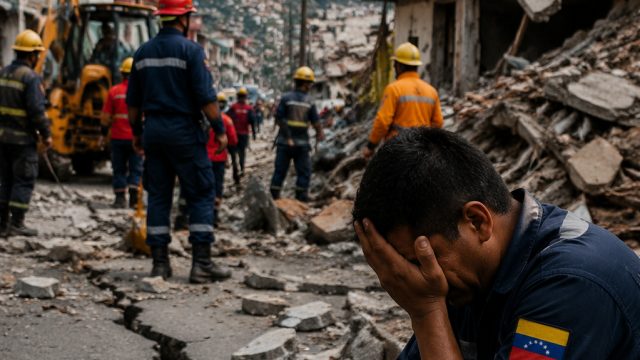
U.S. Lawmakers Call Out Human Cost of Six-Month Iran Conflict
Key Takeaways
- The Iran conflict has escalated, raising humanitarian concerns.
- U.S. lawmakers are advocating for policy changes regarding Iran.
- Global repercussions may impact markets across Southeast Asia.
- Human rights violations in Iran are under increased scrutiny.
- The U.S. administration's response is crucial for international relations.
The Growing Concern Over the Iran War
The six-month-long conflict in Iran has prompted significant concern from U.S. lawmakers, who voice worries about the humanitarian toll. Despite focusing on diverse issues, the human cost of prolonged war has become a critical point of discourse. Reports indicate that civilian casualties have surged, raising the urgency for global intervention and humanitarian assistance.
Humanitarian Crisis and Global Implications
The ongoing conflict has led to dire consequences not just for Iran but for the broader region, including Southeast Asia. As the situation escalates, countries like Indonesia, with its extensive ties to Iran and the ASEAN community, may face economic repercussions. The U.S. lawmakers have underlined how instability in Iran could ripple through to Indonesian markets, influencing trade dynamics.
Impact on Indonesian Markets
With Indonesia being a significant player in ASEAN, its economy may experience tremors from the conflict. The U.S. administration's stance and responses will be pivotal in shaping economic relations and potential security partnerships in the region.
Calls for Accountability
In light of the escalating humanitarian crisis, U.S. lawmakers are also pressing for accountability regarding human rights violations. Recent reports from various human rights organizations have documented severe abuses during the conflict, which lawmakers cite as grounds for heightened scrutiny and potential sanctions. The call for accountability is not only aimed at Iran but also at the responsibility of other nations to respond to human rights crises globally.
International Cooperation
Lawmakers emphasize the need for international cooperation to address the crisis effectively. By uniting with allies and organizations such as the United Nations, the U.S. aims to create a coordinated response that puts pressure on the Iranian government while providing assistance to affected civilians.
The Broader Geopolitical Landscape
The conflict in Iran is not just a regional issue; it's intertwined with global politics. The U.S. administration's actions and statements are being closely monitored by various nations, including those in Southeast Asia, who are awaiting clarity on the U.S. foreign policy direction. The stakes are high as lawmakers highlight that the implications of the Iran conflict extend beyond just borders; they affect global security and economic stability.
Future Prospects
As the situation in Iran unfolds, the focus from U.S. lawmakers remains on how best to support affected populations while holding perpetrators accountable. This dual approach reflects a growing recognition of the interconnectedness of global events and their local repercussions, particularly in regions like Southeast Asia.
Conclusion
The crisis in Iran has far-reaching implications that extend well beyond its borders, as evidenced by the concerns raised by U.S. lawmakers. As the dialogue continues, the need for immediate action and international cooperation becomes clearer. The impact on markets, particularly in Southeast Asia, necessitates careful monitoring as the situation evolves.
 Alipay Scan
 WeChat Scan