Sri Lanka's Ongoing Filgrastim Shortage: A Healthcare Crisis
Understanding the Filgrastim Crisis
The healthcare crisis in Sri Lanka has been further exacerbated by a persistent shortage of Filgrastim, a vital medication that plays a crucial role in the treatment of cancer patients. The absence of this essential drug in government hospitals poses serious risks to patients, delaying their recovery and potentially compromising their health outcomes.
Key Takeaways
- Filgrastim is crucial for cancer therapy recovery.
- Government hospitals in Sri Lanka struggle with ongoing shortages.
- This shortage directly impacts patient care quality.
- Healthcare professionals express urgent need for solutions.
- Continued shortages could lead to a public health crisis.
The Impact on Patients and Healthcare Providers
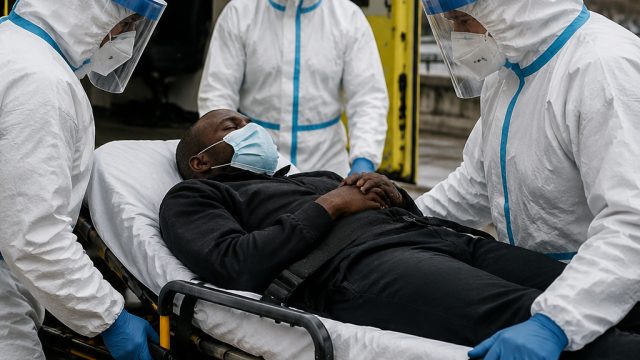
Filgrastim is primarily used to stimulate the production of white blood cells in patients undergoing chemotherapy, significantly reducing the risk of infections. As many as 20,000 cancer patients in Sri Lanka rely on this medication—or alternatives that are not as effective. With the current shortage, hospitals have reported increased wait times for treatment and heightened anxiety among patients and their families. Healthcare providers are forced to seek out alternative medications, which may not offer the same efficacy.
Challenges in the Supply Chain
The roots of the Filgrastim shortage lie in several intertwined factors: global supply chain disruptions, regulatory issues, and local procurement challenges. As the world grapples with the effects of the pandemic, pharmaceutical companies face increasing difficulties in maintaining consistent production levels. This situation has been aggravated by regulatory hurdles in Sri Lanka, making it even harder to import necessary pharmaceuticals.
Efforts to Resolve the Shortage
In response to the ongoing crisis, healthcare authorities in Sri Lanka have initiated discussions with pharmaceutical companies and stakeholders to explore solutions. These include negotiations for expedited shipping of Filgrastim, as well as collaborations with international organizations to secure alternative funding and support. Additionally, there's an increasing call for local pharmaceutical manufacturing to reduce dependence on imports and enhance self-sufficiency.
Community Impact and Awareness
The alarming news of the shortage has sparked community reactions, with support groups and advocacy organizations mobilizing to raise awareness among the public and policymakers. Campaigns have been initiated to lobby for better healthcare funding and improved accessibility to essential medicines. Patients and families are encouraged to voice their concerns, highlighting the critical need for immediate action.
Looking Ahead: The Path to Improvement
The Filgrastim shortage in Sri Lanka presents a pressing challenge, not only for healthcare providers but also for policymakers. The implications of this crisis extend beyond the immediate needs of patients; it raises questions about the resilience of the healthcare system as a whole. As Sri Lanka navigates this complex situation, a comprehensive strategy that includes supply chain optimization, better funding for healthcare, and increased local production could pave the way for meaningful improvements.
Conclusion
The ongoing Filgrastim shortage is a stark reminder of the vulnerabilities within Sri Lanka's healthcare system. As the government and healthcare providers work to identify solutions, it is vital for the community to stay informed and engaged. The health and well-being of thousands of cancer patients depend on timely interventions to restore the availability of this critical medication.
 Alipay Scan
 WeChat Scan