Iran and Oman Forge Key Discussions Amid Regional Tensions
Key Takeaways
- Iran and Oman are in advanced discussions about the Hormuz Strait.
- These talks are crucial for regional stability in the Middle East.
- The discussions come after U.S. tensions in the area escalated.
- Iran seeks to improve relations within the Gulf, enhancing security measures.
- Diplomatic efforts reflect a shift in regional power dynamics.
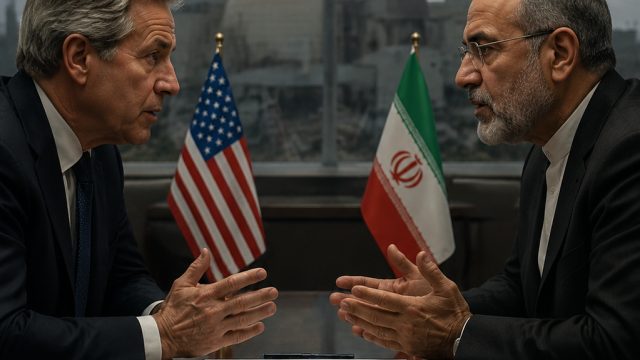
As geopolitical tensions continue to unfold in the Middle East, Iran and Oman are reportedly nearing the conclusion of discussions focused on the vital Hormuz Strait. This waterway is crucial for global oil transportation, making any developments in this area significant not only for the region but also for international markets. The backdrop of these negotiations is heightened by recent military maneuvers from the United States, underscoring the urgency for both nations to stabilize their relationship and assert control over maritime security.
The Importance of Hormuz Strait Negotiations
The Strait of Hormuz serves as a key passageway for approximately 20% of the world's oil supply. For Iran, maintaining navigational rights is essential, especially in the face of U.S. sanctions that have crippled its economy. Cooperation with Oman, a nation known for its neutral stance in regional conflicts, could pave the way for a more collaborative security framework in the Gulf.
Oman's Role in Regional Diplomacy
Oman has historically played a mediating role in Middle Eastern conflicts. This current dialogue reflects its ongoing commitment to fostering peace. The Sultanate's ability to engage both Iran and Western countries places it in a unique position to facilitate discussions that might otherwise face significant obstacles.
Recent Developments and Their Implications
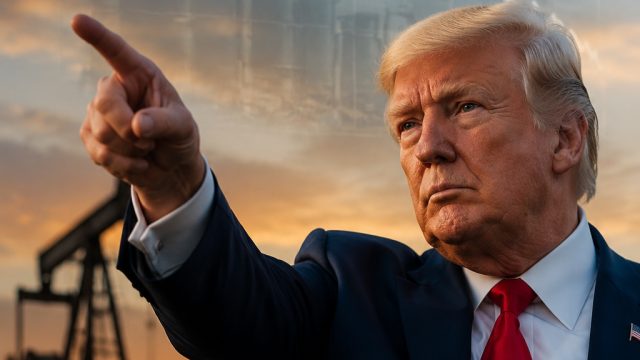
In recent days, as reports emerged of U.S. President Donald Trump considering military action against Iran, the urgency of the Iran-Oman talks became even more pronounced. The potential for conflict has led to calls for a diplomatic resolution that prioritizes dialogue over aggression.
Reactions from the Global Community
The international community is closely monitoring these discussions, with various nations expressing hope for a peaceful resolution. Analysts suggest that successful negotiations could lead to a more stable Middle East, impacting everything from energy prices to international relations.
Looking Ahead: The Future of Gulf Relations
As the talks progress, their outcomes will likely influence the broader geopolitical landscape in the Middle East. A peaceful resolution could mark a shift towards more collaborative efforts among Gulf nations, particularly as regional powers grapple with the implications of U.S. foreign policy.
Potential Outcomes and Challenges
While the talks have reached an advanced stage, several challenges remain, including internal dissent within Iran and the potential for external pressures from allied nations. The outcome of these discussions could redefine Iran-Oman relations and set the tone for future engagements within the Gulf Cooperation Council (GCC).
Conclusion: A Pivotal Moment for Iran and Oman
The Iranian-Omani discussions represent a crucial juncture in Middle Eastern diplomacy. As both nations strive for stability in the face of external pressures, their collaboration could signal a new era of engagement in the region. Observers will be keenly watching for any developments that may emerge from these high-stakes negotiations.
 Alipay Scan
 WeChat Scan