U.S. Shifts Strategy: Temporary Halt on Iran Offensive
Key Takeaways
- U.S. announces a pause in strikes against Iran.
- Temporary halt is linked to ongoing negotiations.
- Trump emphasizes urgency in reaching a deal.
- International response is mixed and cautious.
- Potential long-term implications for Middle East stability.
The Context of the Pause
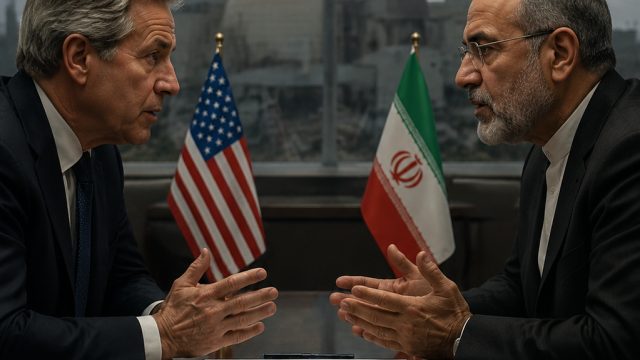
The U.S. government has recently decided to pause its military campaigns against Iran, a move that highlights the changing dynamics of international diplomacy. This decision comes amid ongoing discussions regarding the nuclear deal and regional tensions, suggesting that a strategic pivot may be underway. Former President Donald Trump announced the pause, indicating that the U.S. is willing to negotiate but expects rapid progress.
This latest development arrives as both nations grapple with complicated diplomatic relations. Trump stated that the pause is not permanent and stressed the importance of achieving a rapid agreement, reflecting the urgent need for a diplomatic resolution. The situation is particularly pressing given the rising stakes in the Middle East, where any military action could have far-reaching consequences for regional stability.
Implications for Middle Eastern Politics
The pause in U.S. military actions against Iran could significantly alter the geopolitical landscape of the Middle East. Analysts are closely monitoring how this shift may affect relationships between the U.S., its allies, and Iran. The potential for renewed diplomacy may open doors for discussions on broader issues, such as security and regional cooperation.
Increased Tensions with Other Regional Players
Countries in the region are responding cautiously to this announcement. Nations like Israel and Saudi Arabia, which have historically been vocal against Iran's actions, are watching the U.S. closely. They are concerned that a pause might embolden Iran and its proxy groups, potentially destabilizing existing alliances.
Public and Political Reactions
The response to Trump's announcement has been mixed within the U.S. Some support the diplomatic approach, believing that negotiation could lead to a more stable resolution. Others criticize the pause, arguing it sends the wrong message to Iran and allies in the region who may perceive it as weakness.
Public Opinion
Public sentiment appears divided. Many Americans are wary of further military involvement in the Middle East, recalling the long conflicts that have characterized U.S. foreign policy since the early 2000s. Others advocate for a tougher stance against Iran, especially in light of its nuclear ambitions and support for regional militias.
Looking Ahead: The Path to Diplomacy
As the U.S. pauses military engagements, all eyes are on the diplomatic efforts that follow. The prospect of reaching a deal with Iran could reshape not only U.S.-Iran relations but also the broader Middle Eastern political landscape. The success of these negotiations will heavily depend on both sides' willingness to compromise and adhere to commitments.
In conclusion, the U.S.'s temporary halt on attacks against Iran is a pivotal moment that could lead to either escalating tensions or a significant diplomatic breakthrough. The immediate future will reveal whether this pause is the precursor to peace negotiations or simply a fleeting moment in a tense standoff.
 Alipay Scan
 WeChat Scan