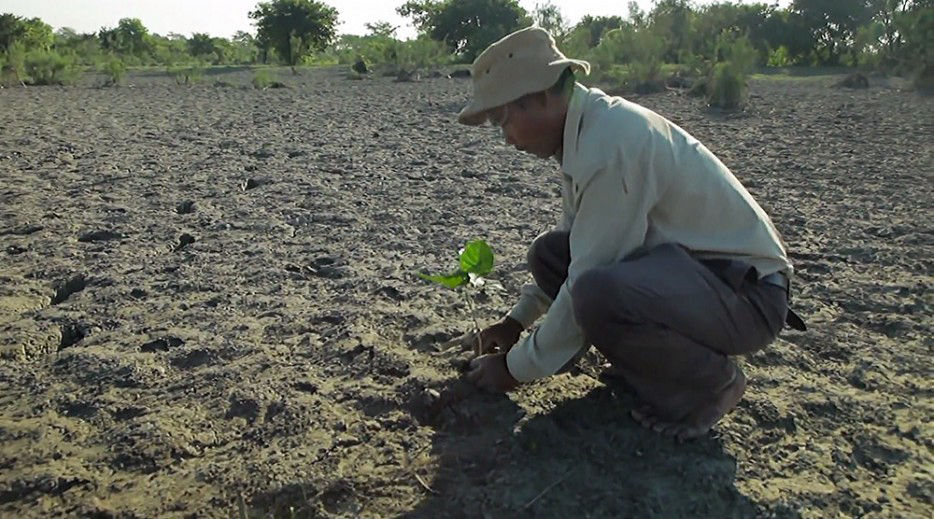
Churches Collaborate on Climate Initiatives: A Call to Action
Key Takeaways
- Churches are forming alliances to enhance climate awareness and action.
- New eco-friendly practices are being adopted across congregations.
- Climate change remains a pressing issue for communities in Southeast Asia.
- Collaborations can lead to impactful local and global changes.
- Church leaders stress the importance of collective action for sustainability.
In a significant development for environmental advocacy, churches around the globe are uniting to strengthen their efforts against climate change. This collaborative movement is particularly noteworthy in Southeast Asia, where communities are feeling the direct impacts of climate-related events. From Jakarta to Bali, there’s a renewed focus on sustainability and environmental stewardship that resonates deeply within the local populations.
The Urgency of Action
The recent discussions among ecumenical officers highlight that the time for action is now. As climate-related disasters become more prevalent, church leaders are recognizing their role in spearheading initiatives aimed at mitigating these effects. The World Council of Churches has reported a surge in participation from various congregations, all eager to share best practices and strategies that prioritize climate resilience.
Shared Experiences and Strategies
During their recent meetings, church representatives exchanged valuable insights on effective climate action strategies. Many congregations are implementing community-engaged projects such as urban gardening initiatives, energy conservation efforts, and educational programs on environmental sustainability. These approaches not only foster community spirit but also empower individuals to take charge of their ecological footprints.
Why This Matters Now
The emphasis on churches tackling climate change is particularly relevant in the current context. As the ASEAN region faces increasing environmental challenges—such as rising sea levels and extreme weather events—these initiatives are critical. The urgency is compounded by the need to inspire a younger generation to prioritize ecological awareness. Reports show that youth engagement in climate actions has significantly increased, particularly in metropolitan areas like Surabaya.
Local Engagement and Global Impact
Churches are not only focusing on local solutions but also aiming for a broader impact. By participating in international dialogues and summits, these organizations are positioning themselves as key players in the global fight against climate change. Their voices are critical in advocating for policy changes that can lead to sustainable practices across various sectors.
Building a Sustainable Future
A sustainable future is within reach, and churches are at the forefront of this movement. By fostering partnerships with environmental organizations and local governments, congregations can amplify their efforts. The collaboration encourages the sharing of resources, knowledge, and innovative solutions to combat climate change effectively.
Encouraging Community Involvement
- Volunteer opportunities in local environmental projects.
- Workshops on sustainable living and gardening.
- Community clean-up events to enhance local ecosystems.
In conclusion, the collective actions of churches tackling climate change signify a promising shift towards a more sustainable future. With a focus on collaboration and community engagement, these organizations can inspire significant change within their communities and beyond. The call to action is clear: churches must lead by example and encourage their members to integrate sustainable practices into their daily lives.
 Alipay Scan
 WeChat Scan