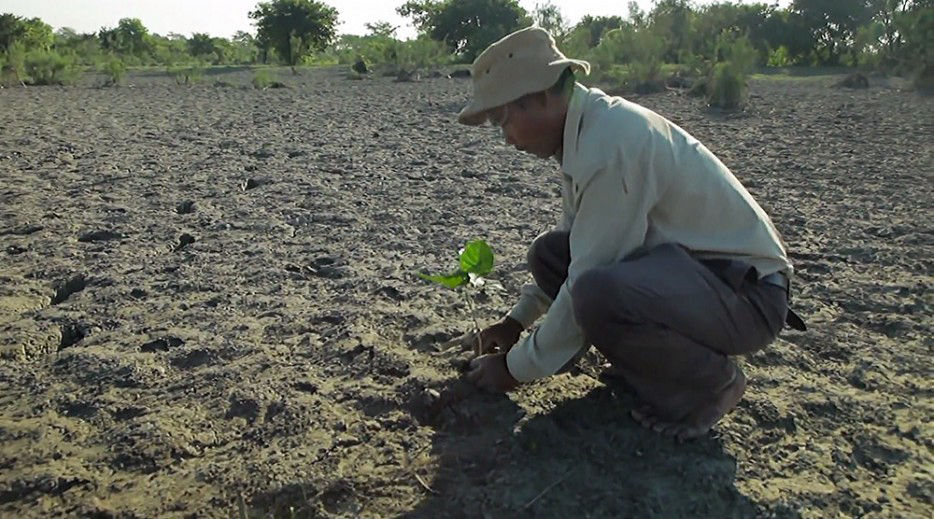
Africa's Role in Future Science Diplomacy: A Global Imperative
The Importance of Science Diplomacy
Science diplomacy refers to the use of scientific collaborations to address global challenges, enhance international relations, and promote peace. In a world increasingly driven by technology and data, the need for nations to work together on scientific issues is more critical than ever. For Africa, this presents both opportunities and challenges.
Key Takeaways
- Africa's potential in science diplomacy can drive innovation.
- Global science partnerships can enhance education and research.
- The continent can address local challenges through shared knowledge.
- Investment in STEM can foster economic growth in Africa.
- Engagement with global science communities is essential for Africa.
Africa’s Unique Position in Global Science Diplomacy
The African continent is rich in resources and talent, yet it has often been sidelined in discussions about global science policies. Countries like South Africa, Nigeria, and Kenya are leading a charge to ensure Africa's voice is heard. These nations are establishing partnerships with institutions worldwide, aiming not only to innovate locally but also to contribute to solutions for global problems.
The Need for Collaborative Frameworks
Establishing frameworks for collaboration is essential. For instance, initiatives like the African Union’s Science, Technology and Innovation Strategy for Africa (STISA-2024) aim to enhance the continent's research capabilities and scientific output.
Leveraging Technology for Global Impact
In the face of challenges like climate change and health crises, Africa's technological landscape is evolving rapidly. Countries are investing in digital technologies, promoting startups, and fostering innovation hubs in cities like Nairobi and Cape Town. These advancements can help bridge gaps and position Africa as a leader in scientific innovation.
Challenges to Overcome
Despite the significant potential, Africa faces numerous obstacles in elevating its role in global science diplomacy. Issues such as limited funding for research, inadequate infrastructure, and brain drain significantly hinder progress. However, international partnerships can help mitigate these challenges by providing resources and expertise.
Building Stronger Educational Institutions
Investment in education is crucial for sustaining scientific progress. Strengthening universities and research institutions across the continent allows for better training and retention of talent. Programs in regions like Southeast Asia have shown that robust educational frameworks can lead to significant advancements in local scientific capabilities.
Engaging the Global Community
To solidify its place in global science diplomacy, Africa must actively engage with international scientific communities. This includes participating in global forums, sharing research findings, and collaborating on international projects. The involvement of African scientists in global discussions is vital to ensure that the continent's unique perspectives are included.
The Path Forward
The future of Africa in science diplomacy depends on its ability to create sustainable partnerships that address local and global challenges. By emphasizing the importance of innovation, education, and collaboration, African nations can not only elevate their own standing but also contribute meaningfully to global scientific discourse.
As we look towards the future, the call for African nations to step up in science diplomacy has never been more urgent. Harnessing collective expertise will be essential to navigating the complexities of today’s global landscape.
Conclusion
Africa's role in science diplomacy is more than just a matter of regional pride; it is a critical component of global progress. By investing in scientific collaboration and innovation, the continent can become a key player in shaping the future of global science and technology.
 Alipay Scan
 WeChat Scan