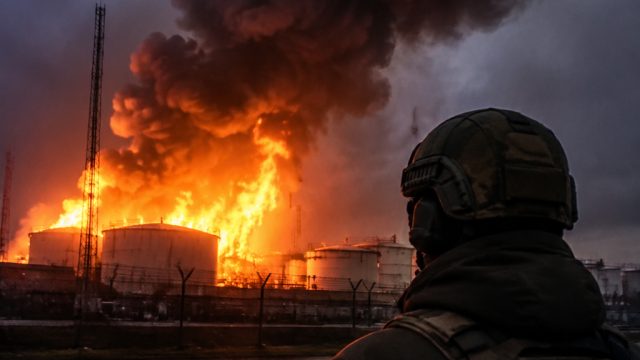
Escalating Tensions: Iran's Missile Strikes Amid US-Saudi Intervention
Key Takeaways
- Iran launches missile attacks in response to US and Saudi operations.
- The US and Saudi Arabia target Iranian-aligned militias in Iraq.
- Regional tensions escalate amid fears of a broader conflict.
- Military actions raise concerns over civilian safety in Iraq.
- International responses to the conflict are being closely monitored.
Background of the Current Conflict
The latest round of missile strikes from Iran marks a significant escalation in the ongoing conflict in the region. This comes as US and Saudi forces have intensified their military operations against Iranian-backed militias located within Iraq's borders. Observers note that this pattern of retaliation by Iran aligns with its historical approach to countering perceived threats from adversaries.
Recent Developments
In the past weeks, Iran has reportedly launched several missile strikes targeting facilities used by US-supported forces in Iraq. These attacks have been described as a show of force aimed at deterring further external interference in its regional influence. Analysts suggest that Iran's actions are also a strategic response to the successful US and Saudi operations that have crippled several militia strongholds.
Impact on Regional Stability
The military exchanges have raised alarms over the immediate prospects for peace in the Middle East. The growing military involvement of the US and its allies, particularly regarding Iran's influence in Iraq, indicates a potential shift toward a more confrontational stance. Residents in regions like Baghdad and Basra are particularly vulnerable, facing the brunt of retaliatory strikes amidst military escalations.
Concerns Over Civilian Safety
The collateral damage from missile strikes poses an urgent humanitarian concern as civilian populations are caught in the crossfire. Local authorities in Iraqi cities have issued warnings, urging residents to seek shelter during attacks and report any suspicious activities. This development highlights the dire need for diplomatic solutions to prevent further loss of life.
International Responses and Implications
Global reactions to the escalating conflict have varied, with some countries calling for restraint while others emphasize the need for stronger positions against Iranian aggression. The United Nations has expressed concern regarding the potential for a wider conflict, advocating for dialogue among all involved parties. In addition, regional powers within ASEAN nations, including Indonesia, are closely monitoring the situation, understanding its implications for Southeast Asian security dynamics.
Potential for Broader Conflict
Analysts warn that if the current trend continues, the region could see an escalation into a broader military confrontation that could involve not only Iran and the US, but also their respective allies. The implications for trade routes and energy security are particularly concerning for countries reliant on Middle Eastern oil supplies.
Conclusion
The renewed missile strikes from Iran signify a critical juncture in Middle Eastern geopolitical tensions, particularly as the US and Saudi interventions escalate. As regional players assess the implications of these developments, the need for effective diplomatic engagement has never been more urgent. Addressing the humanitarian fallout and preventing further escalation should be a priority for both local governments and international organizations.
 Alipay Scan
 WeChat Scan