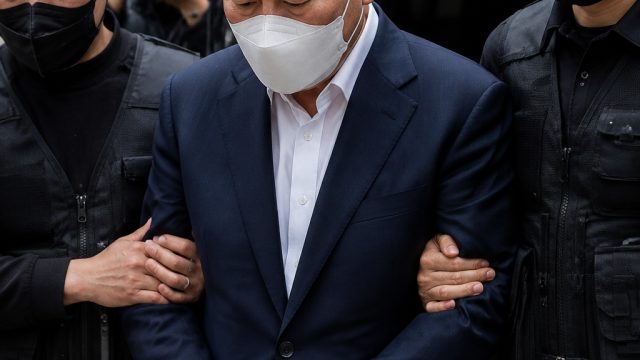
Unification Church Leader Hak Ja Han Faces Two-Year Sentence for Corruption
Key Takeaways
- Hak Ja Han received a two-year sentence for corruption-related charges.
- The ruling is pivotal for the Unification Church's future in South Korea.
- Public trust in religious organizations is declining amid such scandals.
- The case could have broader implications for Korea's socio-political climate.
- It highlights the increasing scrutiny on influential religious leaders.
The Sentence: Context and Repercussions
The recent conviction of Hak Ja Han, the prominent leader of the Unification Church, has sent shockwaves throughout South Korea. Sentenced to two years in prison for her role in a corruption scandal, her case exemplifies a broader trend of increasing accountability for leaders of powerful organizations.
This sentencing comes at a time when public sentiment towards religious institutions is shifting, with many citizens expressing disappointment over the misuse of power by high-profile figures. The Unification Church, which has long been a subject of controversy, faces renewed scrutiny as it navigates the fallout from this legal battle.
Understanding Hak Ja Han's Role
Hak Ja Han, often regarded as a controversial figure even within her own organization, took over leadership following the death of her husband, Reverend Sun Myung Moon, in 2012. Her leadership has been characterized by various initiatives aimed at expanding the church's influence, particularly in Southeast Asia, including countries like Indonesia, where the church has made significant inroads.
However, her recent legal troubles highlight the complexities of her leadership and the challenges facing the church as it attempts to maintain its operations and public perception amid growing criticism.
The Broader Implications for the Unification Church
The ramifications of Han's sentence extend beyond individual accountability; they may influence the Unification Church's standing both domestically and internationally. The church has a significant presence in Indonesia and other ASEAN nations, where it has sought to establish a foothold among diverse communities.
As the church grapples with the repercussions of this scandal, it may need to reevaluate its strategies and public relations efforts to regain the trust of its followers. The significance of transparency and ethical governance in religious organizations is becoming increasingly critical in a world where the public is demanding greater accountability.
Public Sentiment and Response
The reaction to Hak Ja Han's sentencing has been mixed. Some see it as a necessary step towards holding religious leaders accountable, while others criticize the judicial process as being politically motivated. This division in public sentiment reflects a larger discourse on the intersection of religion and governance in South Korea.
As the country watches the developments of this case, it raises questions about the future of the Unification Church and its ability to sustain its mission in a rapidly changing social landscape.
Conclusion: A Turning Point for Religious Institutions
Hak Ja Han's conviction marks a significant turning point not only for her leadership but also for the Unification Church as a whole. In an era where the public is increasingly wary of institutional integrity, the church must navigate the challenges posed by this scandal and work towards rebuilding trust with its followers.
The situation serves as a reminder of the importance of ethical leadership within religious organizations, particularly in regions like Southeast Asia, where the influence of such groups is expanding.
 Alipay Scan
 WeChat Scan