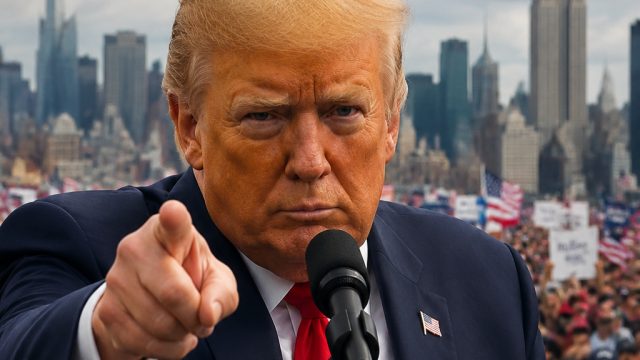
Trump's Proposal for Gaza: Potential Peace Amidst Persistent Challenges
Key Takeaways
- Trump's proposal seeks to promote peace by disarming Hamas.
- Despite the initiative, many hurdles remain in implementation.
- Key stakeholders in the Middle East express skepticism about the deal's success.
- The situation in Gaza remains tense, with ongoing violence reported.
- International response varies, with some allies voicing support while others remain cautious.
Understanding the Proposal
Donald Trump recently announced a controversial plan intended to pave the way for peace in Gaza by urging Hamas to disarm. This proposal emerges amid escalating tensions in the region, which have prompted a renewed focus on potential solutions. Trump's approach draws attention not only due to his high-profile status but also because of the potential it has to reshape the political landscape in the Middle East.
The Context of the Proposal
The backdrop of this announcement is critical. The Gaza Strip has been a flashpoint of conflict for years, marked by recurring violence and geopolitical strife. Recent escalations have intensified calls for a sustainable resolution. Trump's proposal aims to provide a framework for disarmament, which he argues could lead to a ceasefire and a more stable environment for the people of Gaza.
Challenges to Implementation
Despite the ambitious nature of the proposal, significant barriers hinder its enactment. Firstly, the historic mistrust between Hamas and Israel complicates any agreement aimed at disarmament. Additionally, internal divisions within Palestinian political factions pose further challenges. Many observers note that without substantial concessions or guarantees, persuading Hamas to disarm might be implausible.
Reactions from Key Players
The announcement has elicited a range of responses from various stakeholders. Some regional allies of the United States have cautiously welcomed the initiative, hoping it could facilitate a broader dialogue. However, prominent figures in the Middle East, including leaders in both Israel and Palestine, have expressed skepticism. They argue that any disarmament deal must address underlying issues, such as territorial disputes and humanitarian concerns.
International Community's Stance
The international response to Trump's plan has been mixed. While Western allies may support the notion of peace, many remain concerned about the feasibility and potential repercussions of the proposal. Countries in Southeast Asia, a region increasingly vested in Middle Eastern stability, are observing the developments closely, with implications for their diplomatic relations and economic interests.
The Bigger Picture
Trump's proposal for Gaza is not merely a political maneuver; it reflects broader themes in international relations. As nations grapple with the implications of ongoing conflicts, the need for comprehensive strategies becomes paramount. The potential for peace in Gaza, while fraught with challenges, underscores the importance of dialogue and cooperation among global powers.
The Role of Regional Dynamics
Southeast Asian nations, particularly those in the ASEAN bloc, have an interest in the stability of the Middle East. With Indonesia being the world's largest Muslim-majority country, its leadership often seeks to play a mediating role. Any successful resolution in Gaza could have far-reaching impacts on regional security and economic partnerships, especially as geopolitical tensions rise.
Conclusion: A Fragile Hope
In summary, Trump's proposal for the disarmament of Hamas in Gaza presents a potential pathway to peace, yet it is fraught with significant obstacles. The reactions from both local and international stakeholders indicate a complex web of interests and fears that must be navigated. As the situation evolves, the world watches closely, hoping for a breakthrough that has long been elusive.
 Alipay Scan
 WeChat Scan